
Lawns live on a calendar, not a clock. The grass that thrives in June has different needs in October, and the yards that look best year after year are the ones whose care shifts with the seasons. Two visits matter more than all the rest: the spring wake-up and the fall put-to-bed.
Spring: wake the lawn up gently
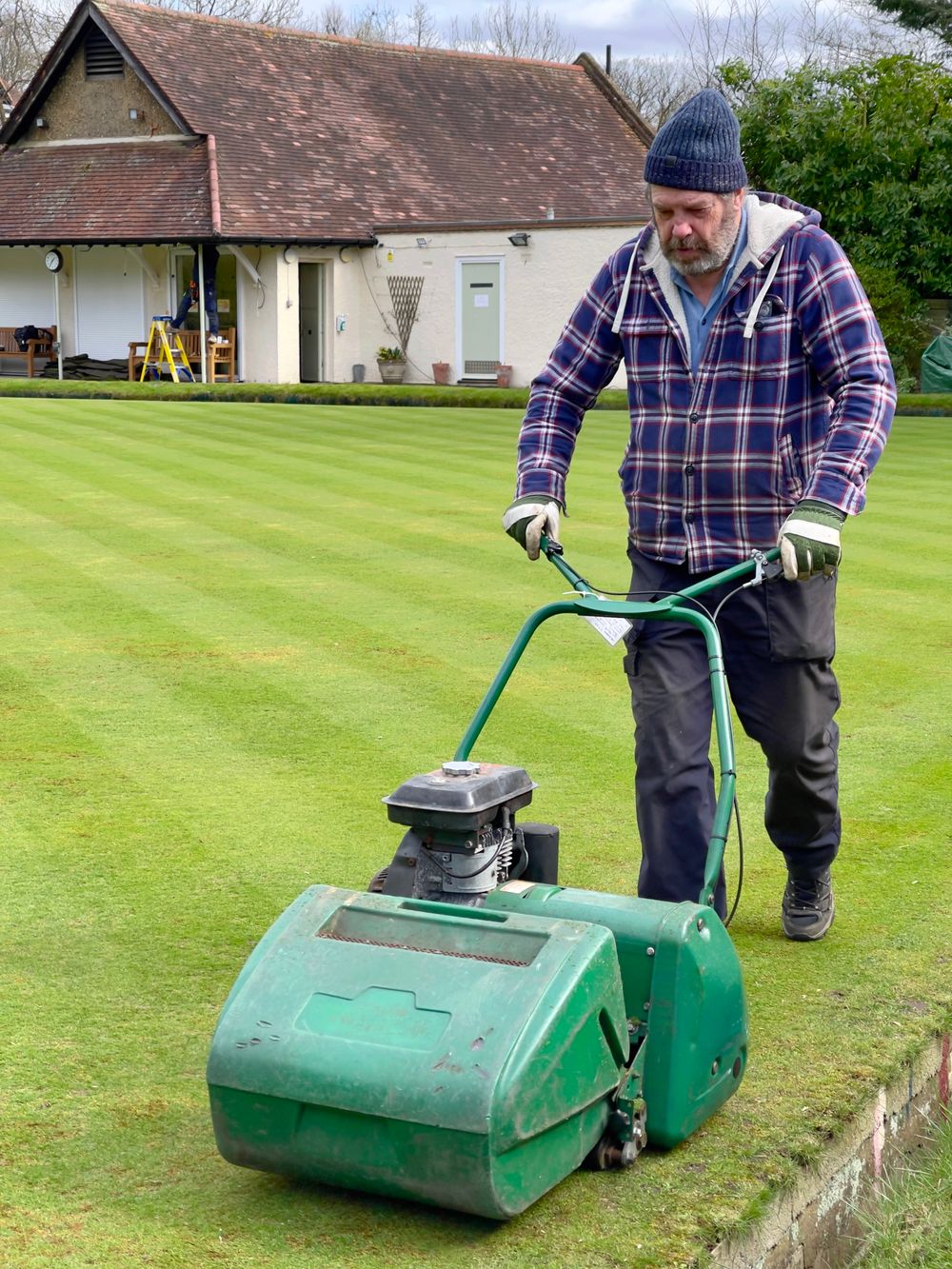
After winter, start with cleanup before anything else — rake out matted leaves, clear branches, and let light and air reach the soil. Hold off on the first cut until the grass is actively growing, then mow at a moderate height to encourage it to thicken. Spring is also the moment to walk the whole yard and note thin areas, drainage dips, and edges that need redefining, while everything is still easy to see.
Fall: put it to bed properly
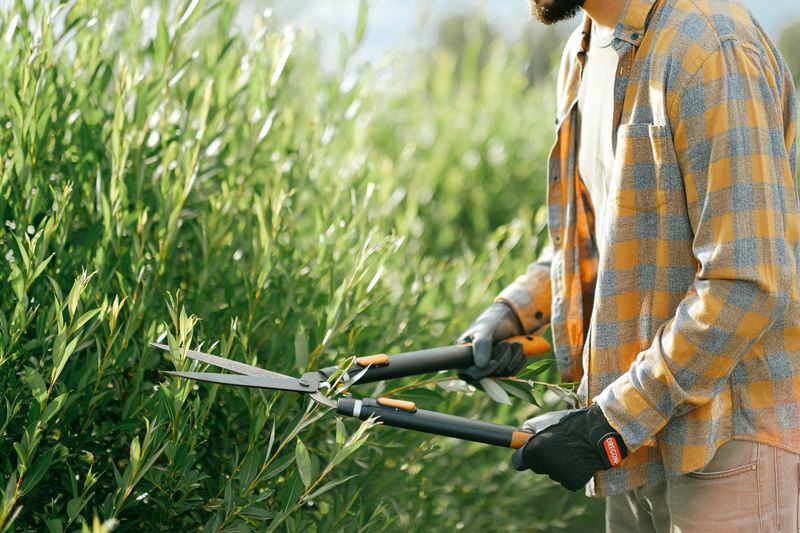
Autumn work decides how spring begins. Keep leaves off the grass — a thick mat smothers turf over winter — and lower the final cuts slightly so snow and frost sit on short, sturdy blades. Late-season overseeding fills summer-worn patches while the soil is still warm, and a last tidy of beds and borders means meltwater drains where it should instead of where it should not.
- Clear debris first each season, then mow, then assess what else is needed.
- Adjust cutting height with the weather — taller in heat, tidier going into winter.
- Reseed worn areas when soil is warm and rain is regular.
- Finish fall with clean beds and open drainage before the cold sets in.